


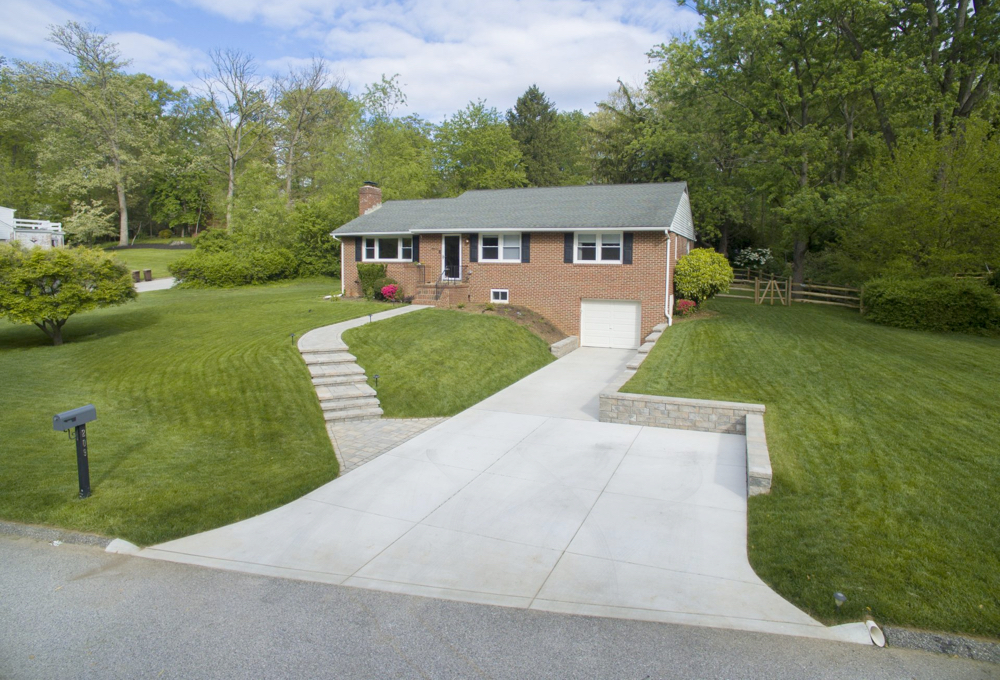
Your driveway handles the weight of vehicles every day while standing up to changing weather, moisture, and years of use. Although concrete provides exceptional durability, it won’t last forever. Over time, shifting soil, freeze-thaw cycles, heavy loads, and normal aging can cause the surface to buckle, crack, or sink.
Ignoring these warning signs often leads to more extensive damage and higher repair costs. Knowing what to watch for can help you address problems before they become safety hazards or require a complete replacement. If you notice any of the signs below, it may be time to contact F&M Contractors, a top-rated concrete driveway contractor in Parkville, for a professional evaluation.
Why Driveway Damage Should Never Be Ignored
Small driveway problems rarely stay small. What begins as a minor crack or slightly uneven section often grows larger as moisture enters the concrete and the ground beneath it continues to shift.
Delaying repairs can lead to:
- Larger cracks and broken concrete
- Damage to vehicle tires or suspension
- Trip hazards for family and visitors
- Standing water that accelerates deterioration
- Reduced curb appeal and home value
- More expensive repairs or complete replacement
Addressing problems early helps protect your investment and extends the life of your driveway.
A damaged driveway also affects how people perceive your home. Because the driveway occupies a large portion of the front yard, cracks, uneven concrete, and deteriorating surfaces often become one of the first things visitors notice. If you plan to sell your home in the future, an aging driveway may leave buyers wondering whether other maintenance issues exist. Investing in repairs or replacement improves both safety and curb appeal while protecting one of your property’s most visible features.
Buckling Concrete Is a Serious Warning Sign
Buckling occurs when sections of concrete lift upward instead of remaining level. This creates uneven surfaces that affect both safety and appearance.
Several factors can cause concrete to buckle, including:
Tree Root Growth: As tree roots expand beneath the driveway, they push concrete upward and create raised sections or uneven joints.
Freeze-Thaw Cycle: Water enters small openings in the concrete, freezes during cold weather, expands, and places pressure on the slab. Over time, repeated freeze-thaw cycles cause sections of the driveway to shift or buckle.
Soil Movement: Changes beneath the driveway often lead to uneven support. As the soil expands, contracts, or settles, concrete responds by moving with it.
Once buckling begins, the problem typically worsens unless a professional addresses the underlying cause. Buckling rarely happens overnight. Most homeowners first notice a slight rise between two concrete slabs or a section that feels uneven when walking across it. As months pass, the movement becomes more noticeable until vehicles bump over the raised area every time they enter or leave the driveway. Addressing the issue early often prevents additional sections from shifting and reduces the likelihood that the entire driveway will require replacement.
Large Cracks Point to Structural Problems
Larger cracks often indicate that the driveway has begun moving or losing structural support.
Watch for:
- Wide cracks that continue growing
- Multiple cracks forming patterns across the driveway
- Cracks with one side sitting higher than the other
- Pieces of concrete separating from the slab
These openings allow water to penetrate beneath the surface. As moisture freezes and expands during winter, the damage accelerates.
Cracks also collect dirt, weeds, and debris that trap additional moisture against the concrete. During heavy rain, water seeps deeper into the base beneath the driveway. As the supporting soil weakens, the surrounding concrete becomes more vulnerable to settling or additional cracking. What begins as one visible crack can eventually affect several sections of the driveway if left untreated.
Sinking Sections Can Damage Vehicles
Not every driveway problem involves concrete lifting upward. Some driveways begin sinking as the base underneath loses stability.
Signs of settlement include:
- Depressions where vehicles park
- One section sitting lower than neighboring slabs
- Low areas that collect rainwater
- Noticeable dips when driving into the garage
Several conditions may contribute to sinking concrete, including:
- Soil erosion
- Poor drainage
- Inadequate base preparation
- Natural ground settlement over time
Replacing damaged concrete without correcting the underlying issue often leads to recurring problems.
Surface Wear Shouldn’t Be Overlooked
A driveway may appear structurally sound while surface deterioration continues to spread.
Watch for signs such as:
Spalling: The top layer of concrete begins flaking or peeling away, leaving rough patches behind.
Pitting: Small holes gradually become larger as weather and moisture wear away the surface.
Crumbling Edges: Driveway edges often deteriorate first because they receive less structural support than the center of the slab.
Scaling: Repeated exposure to freezing temperatures and moisture can cause the surface to chip and wear away.
Although these issues may begin as cosmetic concerns, they often signal that the concrete has become more vulnerable to additional damage.
Standing Water Indicates Drainage Problems
Water should drain away from your driveway rather than collect on its surface. If puddles remain long after rainfall, drainage problems may already be affecting the concrete.
Poor drainage can lead to:
- Faster concrete deterioration
- Soil erosion beneath the slab
- Freeze-thaw damage
- Surface staining
- Moss or algae growth
Standing water also creates problems during the winter. As temperatures drop, pooled water freezes and expands, placing pressure on nearby concrete. Repeated freezing and thawing gradually weakens the surface and contributes to cracking, scaling, and buckling. Correcting drainage problems protects both the driveway and the soil that supports it.
Contact a Concrete Driveway Contractor in Parkville for a Free Estimate
A buckling or deteriorating driveway affects more than your home’s appearance. It can damage vehicles, create safety hazards, reduce property value, and allow minor issues to become expensive repairs.
If you’ve noticed buckling concrete, widening cracks, sinking sections, surface deterioration, or standing water, don’t wait for the damage to spread. F&M Contractors installs durable concrete driveways designed to withstand Maryland’s changing weather while improving your home’s curb appeal and functionality. If you’re looking for a trusted concrete driveway contractor in Parkville, contact F&M Contractors today for a free estimate and let their experienced team restore the safety, strength, and appearance of your driveway.


